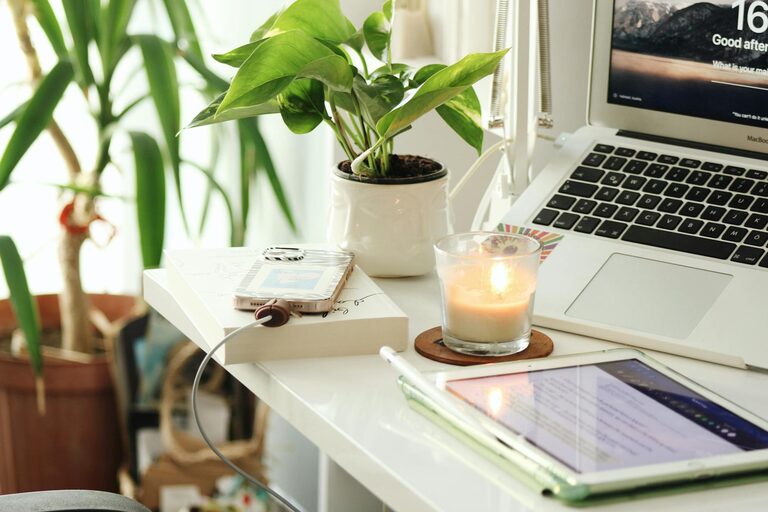
Creating a home office that balances comfort and productivity can transform your daily work experience. Whether you’re working remotely full-time or need a dedicated spot for occasional tasks, a cozy and organized space helps maintain focus and reduces stress. In this post, we’ll explore practical tips to design a home office that inspires you to work efficiently while feeling relaxed.
Choose the Right Location
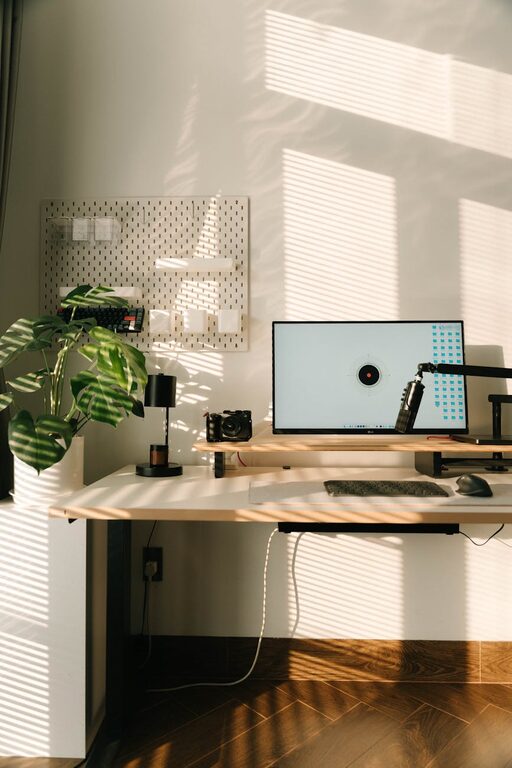
Selecting the ideal spot for your office is the first step. A quiet area away from distractions enhances concentration. If possible, choose a room with natural light, as sunlight improves mood and reduces eye strain. If space is limited, a corner in your living room or bedroom can work when equipped with the right furniture and accessories.
Invest in Comfortable Furniture
Comfortable furniture is essential for prolonged work sessions. Consider an ergonomic chair that supports your back and promotes good posture. A desk at the right height prevents strain on your wrists and shoulders. If you prefer flexibility, a standing desk or adjustable desk converter offers options for sitting and standing throughout the day.
Optimize Lighting
Good lighting reduces fatigue and keeps your space inviting. Combine natural light with ambient lighting, such as a ceiling light, and task lighting like a desk lamp. Adjustable lamps with warm bulbs create a cozy atmosphere while providing enough illumination for reading and writing.
Personalize Your Space
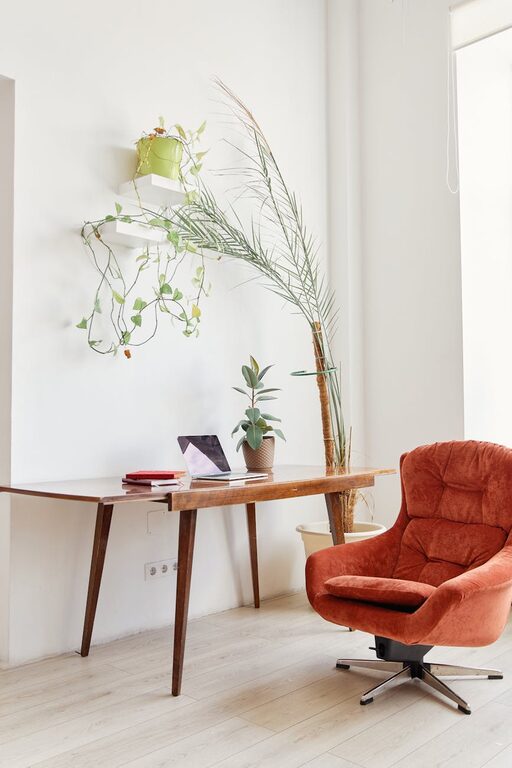
Adding personal touches makes your office feel welcoming. Display photos, artwork, or plants to bring life to your workspace. Plants not only enhance aesthetics but can also improve air quality and reduce stress. Choose items that inspire you without causing clutter.
Keep It Organized
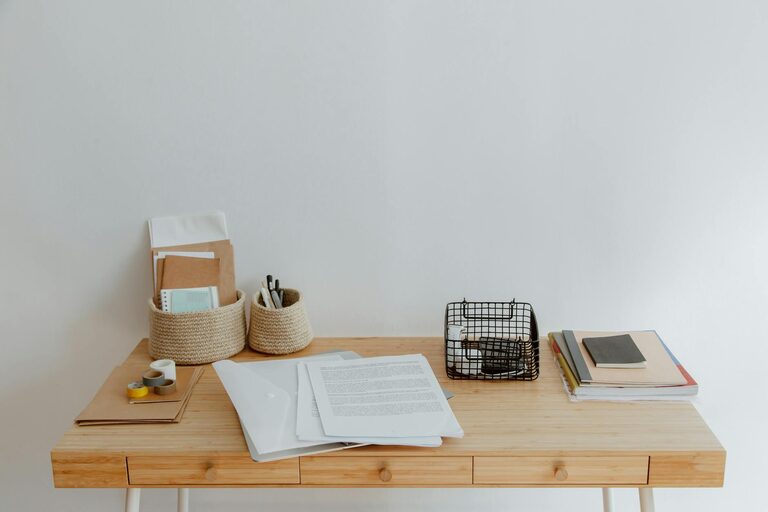
An organized workspace promotes productivity and reduces distractions. Use shelves, drawers, or filing cabinets to store documents and supplies neatly. Desk organizers and cable management tools help keep your desktop clean and functional. Make it a habit to tidy up your space at the end of each day.
Minimize Noise and Distractions
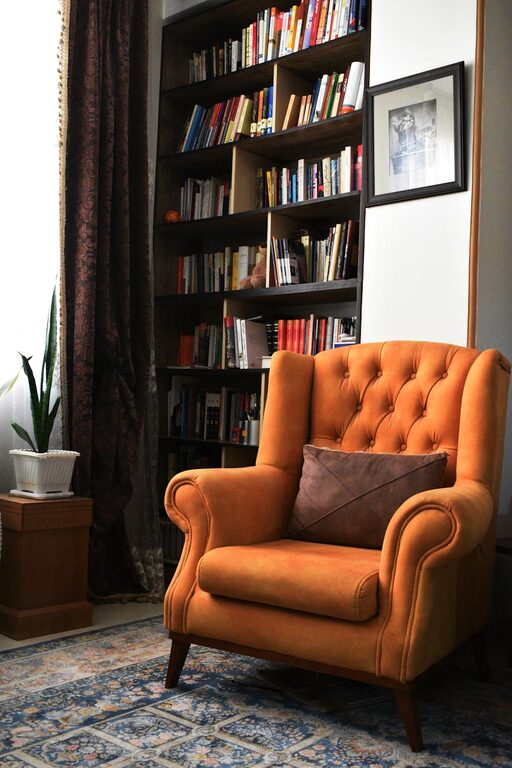
Noise can disrupt your focus. Use rugs, curtains, or soft furnishings to absorb sound if your room echoes. Noise-canceling headphones or white noise machines offer additional help in noisy environments. Communicate your working hours to others in your household to minimize interruptions.
Incorporate Technology Efficiently
Ensure your technology supports your work without cluttering your space. Ergonomic keyboards and mice can prevent strain, and dual monitors may boost efficiency if your tasks require it. Keep cords organized and consider wireless devices to reduce cable clutter.
Establish Boundaries
A designated office area helps separate work from leisure time. Try to avoid blending your work zone with your relaxation or sleeping areas. This boundary helps your mind switch between “work mode” and “off mode,” improving focus and work-life balance.
Add Comfort Features
Small comfort items can make a big difference. A cozy blanket or cushion, a small fan or heater, and a water bottle within reach ensure you stay comfortable. Taking short breaks for stretching or moving around also helps maintain energy and comfort.
Maintain Good Air Quality
Good ventilation improves concentration and well-being. Open windows when possible to allow fresh air in. Adding air-purifying plants or using a small air purifier can help keep the air clean and fresh.
Final Thoughts
Creating a cozy and productive home office is about balancing comfort with functionality. By choosing the right location, investing in quality furniture, keeping things organized, and personalizing your space, you can enjoy a work environment that motivates and supports you. Small adjustments can make a big difference in your daily work experience, helping you stay focused while feeling comfortable.
With these tips, your home office can become a space where productivity and relaxation coexist — making your work-from-home days more enjoyable and efficient.
About the Author