Creating a sustainable home garden not only adds beauty to your outdoor space but also supports the environment and reduces waste. With thoughtful planning and care, your garden can flourish throughout the year, providing fresh produce, flowers, and greenery in every season.
In this guide, we’ll explore useful tips to help you build and maintain a sustainable home garden that thrives year-round.
Why Choose a Sustainable Garden?
Sustainability in gardening means growing plants in a way that conserves resources, supports wildlife, and reduces environmental impact. Benefits include:
– Lower water and energy use
– Healthier soil and plants
– Increased biodiversity with native species
– Reduced waste by composting and recycling
– Fresh, homegrown produce
Planning Your Year-Round Garden
Good planning is essential to ensure your garden flourishes all year. Consider these steps:
1. Know Your Climate and Soil
Understanding your local climate and soil type helps you select appropriate plants and gardening methods. Check annual rainfall, temperature ranges, and soil pH. Many regions have local extension services or online tools to assist.
2. Choose Native and Adapted Plants
Native plants are naturally suited to your area’s conditions and support local wildlife. Combining these with well-adapted vegetables and herbs creates a diverse and resilient garden.
3. Plan for Seasonal Interest
Aim for a garden that offers visual appeal and productivity in every season. For example:
– Spring: Early bulbs and leaf vegetables
– Summer: Fruiting tomatoes, peppers, and flowers
– Fall: Root vegetables and late blooms
– Winter: Evergreen shrubs and hardy greens
Water Conservation Tips
Water is a precious resource. Efficient use not only saves money but benefits your garden’s health.
– Collect rainwater: Use rain barrels to catch runoff for watering.
– Water early or late: This reduces evaporation.
– Use drip irrigation: It delivers water directly to roots, reducing waste.
– Mulch: A layer of organic mulch retains soil moisture and suppresses weeds.
Building Healthy Soil
Healthy soil is the foundation of a sustainable garden.
– Add compost: Recycle kitchen scraps and yard waste to enrich your soil.
– Use cover crops: Plants like clover protect soil from erosion and add nutrients.
– Avoid chemicals: Minimize pesticides and fertilizers to protect soil life.
– Practice crop rotation: This prevents nutrient depletion and reduces pests.
Supporting Wildlife and Pollinators
A sustainable garden invites beneficial insects, birds, and other creatures.
– Plant a variety of flowering plants that bloom at different times.
– Include native plants, which support local bees and butterflies.
– Provide shelter with shrubs, logs, or birdhouses.
– Avoid chemical insecticides to keep pollinators safe.
Extending Your Growing Season
To enjoy your garden’s benefits year-round, try these techniques:
– Cold frames and cloches: Protect plants from frost in colder months.
– Greenhouses or hoop houses: Create a controlled environment for sensitive plants.
– Succession planting: Stagger planting dates to ensure continual harvest.
– Indoor gardening: Grow herbs and small vegetables inside near windows.
Waste Reduction and Composting
Minimizing garden waste helps complete the sustainability cycle.
– Compost plant trimmings and organic kitchen waste.
– Use garden trimmings as mulch.
– Reuse containers and avoid plastic pots where possible.
– Choose perennials to reduce the need for replanting every year.
Tools and Materials for Sustainable Gardening
Opt for eco-friendly tools and materials:
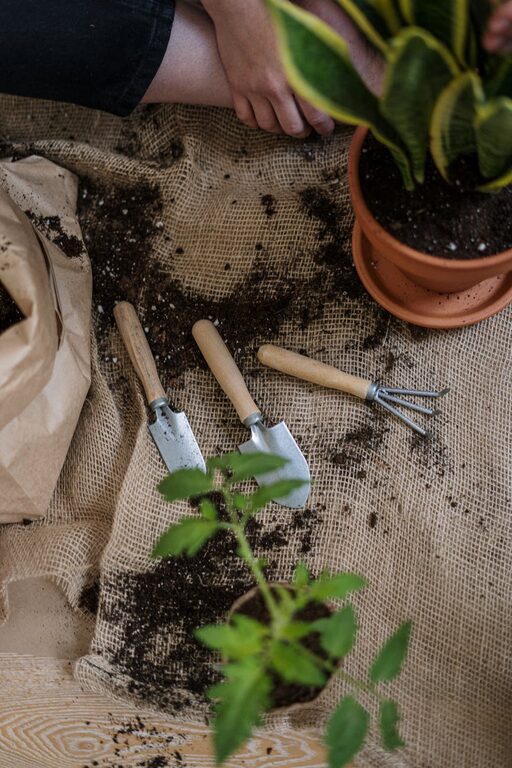
– Hand tools reduce energy use.
– Natural fiber twine over plastic ties.
– Organic seeds and plants.
– Recycled or sustainably sourced garden beds and fencing.
Final Thoughts
Building and maintaining a sustainable home garden takes effort but yields rewarding results. By planning carefully, conserving resources, and supporting wildlife, you can enjoy a thriving garden all year long that benefits you and the environment.
Start small, learn from experience, and watch your garden grow into a vibrant, sustainable oasis. Happy gardening!
About the Author